 Best IT Solutions Company in UAE | H7 Labs FZEBest IT Solutions Company in UAE | H7 Labs FZE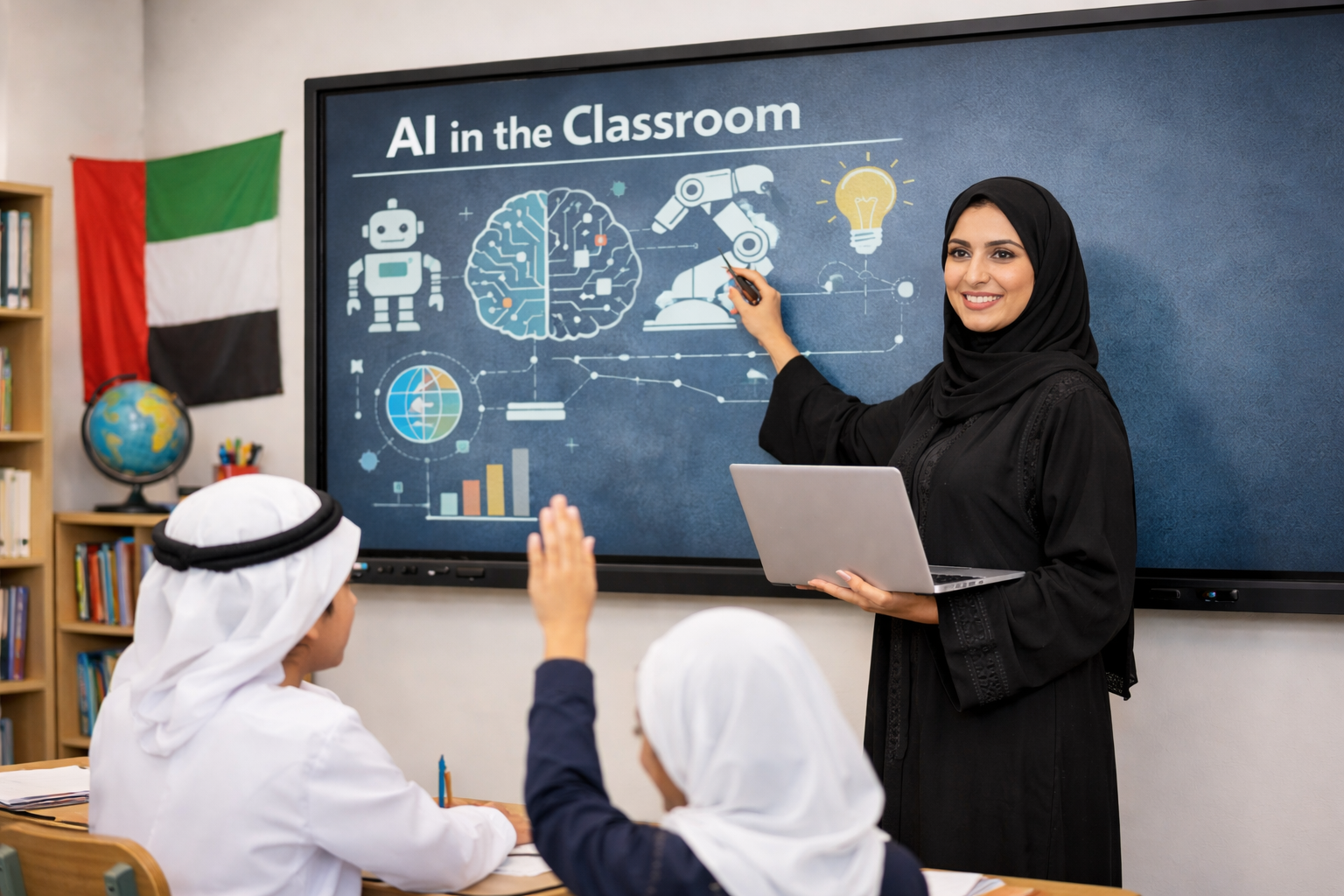
Cybersecurity in schools is often misunderstood.
Most school leaders in the UAE assume cybersecurity means:
Firewalls
Antivirus
Occasional audits
That assumption is why schools fail inspections, struggle with incidents, or rely on reactive IT fixes.
The reality is simpler — and more uncomfortable:
In schools, cybersecurity failures are usually IT design failures.
This article explains what School IT & Cybersecurity in UAE actually means in practice, and what school leaders should focus on if they want secure, compliant, inspection‑ready systems.
Schools are not banks.
They are not enterprises.
And they are not startups.
Schools handle:
Student personal data
Academic records
Staff credentials
Parent communications
Cloud platforms (LMS, ERP, email)
But they operate with:
Small IT teams
Limited budgets
High staff turnover
Heavy inspection oversight
This creates a unique risk profile.
In the UAE, schools are expected to demonstrate:
Control over data
Clear IT policies
Reliable backups
Secure access to systems
Operational continuity
Security is evaluated through systems and governance, not technical jargon.
The most dangerous belief is:
“We don’t need cybersecurity because nothing has happened yet.”
In reality:
Breaches in schools are often silent
Data exposure happens through misconfiguration
Incidents surface during inspections, not attacks
Most issues come from:
Shared passwords
Ex‑staff accounts still active
No backup testing
Unsegmented networks
Teachers using unapproved tools
None of these require a hacker.
They require better IT structure.
If a school wants to reduce cyber risk, these are the non‑negotiables.
Every user must have:
A unique account
Role‑based access
Timely onboarding and offboarding
If you can’t answer:
Who has access?
Why they have access?
When access is removed?
You don’t have cybersecurity. You have guesswork.
A secure school network is:
Segmented (students ≠ staff ≠ servers)
Monitored
Documented
Flat networks are common in schools — and they are high risk.
Security starts with design, not tools.
Backups are useless if:
They’re never tested
They’re on the same system
No one knows how to restore them
Every school should be able to answer:
What is backed up?
How often?
How long recovery takes?
If not, inspections become a liability.
This is where most schools fail inspections.
Schools must be able to show:
IT usage policies
Access policies
Backup procedures
Incident response steps
Security that exists only “in people’s heads” does not count.
The fastest growing risk in UAE schools today is:
Unapproved platforms
AI tools used without review
Data uploaded outside controlled systems
If IT is not involved in approving tools, the school is exposed — regardless of intentions.
School leaders do not need:
Penetration testing every year
Expensive cybersecurity platforms
Complex SOC services
They do need:
Secure system design
Clear ownership
Regular reviews
Real documentation
Practical controls
Cybersecurity in schools is about reducing operational risk, not chasing buzzwords.
Inspections don’t ask:
“What firewall do you use?”
They ask:
How do you protect student data?
How do you control access?
How do you recover from incidents?
How do you ensure continuity?
Schools that treat IT as “support” instead of “governance” struggle here.
The most resilient schools:
Treat IT as part of leadership decisions
Build systems before buying tools
Review access regularly
Test backups
Document everything
Use specialists who understand schools, not just technology
Cybersecurity is not a department. It’s a discipline built into IT operations.
If your school relies on:
One person’s memory
Informal processes
Assumptions instead of documentation
You are exposed — even if nothing has happened yet.
Strong School IT & Cybersecurity in the UAE is not about fear.
It’s about control, clarity, and readiness.
We specialize in School IT & Cybersecurity in the UAE, helping schools design secure, compliant, inspection‑ready IT systems that actually work in real education environments.